


Idle Egg Factory
4.67.01K Reviews
App Specs
- Version
- 3.6.0
- Updated On
- License
- Free
- Downloads
- 50,000,000+
- Developer
- Solid Games
- Categories
- Simulation
- Platform
- Android, iOS
Screenshots
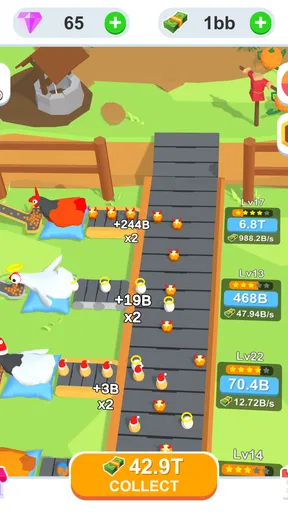
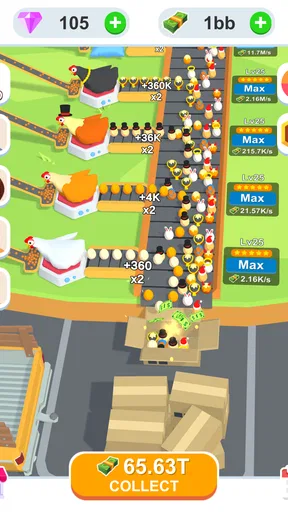
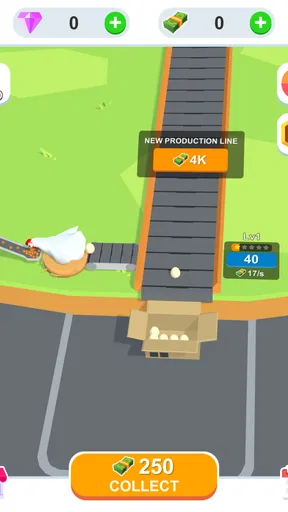
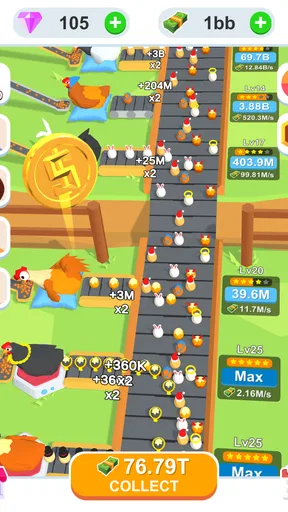
 Analysis by AppCompare
Have you ever found yourself wondering how a simple clicker game could be so addictive? Well, let me introduce you to Idle Egg Factory. This game takes the concept of idle gaming to a whole new level. I recently spent some quality time with it, and I’m here to share my experience.
Who Will Enjoy Running an Egg Factory?
I’d recommend this simulation game to anyone who likes seeing a small operation grow through repeated, understandable decisions. Its appeal is not about mastering complicated controls; it’s about deciding when to collect, when to reinvest, and when to leave the factory alone. That makes it a natural fit for brief breaks, a few minutes while waiting for a meal, or a relaxed session when I want progress without a demanding story or competitive pressure.
It is less suitable if you need a game that constantly challenges your reflexes, offers a detailed narrative, or asks you to solve a fresh puzzle every session. The central pleasure is incremental growth, so players who find repeated upgrade choices dull may quickly feel they have seen the main idea. I’d also choose a more hands-on management game if I wanted to track a complicated production chain rather than watch a simple business gradually become more productive.
Choosing What to Improve
The useful decision is not simply whether to spend money, but whether to spend it now or let the current setup earn for a while first. When I return to an idle game, it is tempting to buy the first available improvement immediately. A more satisfying routine is to check what the next upgrade changes, compare that with the benefit of another short wait, and then commit. That small pause gives the growth loop a little more purpose without turning a casual game into homework.
There is also a practical way to avoid aimless tapping: treat each visit as a short planning cycle. Collect what has accumulated, choose one improvement that supports the factory’s current bottleneck, and then leave it running or close the game until the next convenient moment. I find that setting a simple intention—such as making the next visit about automation rather than buying every tempting option—keeps the session focused. The game remains easygoing, but my choices feel less random.
When Passive Progress Is the Point
For a realistic everyday example, imagine opening the game during a short break, investing the earnings, and then putting the phone away before returning to work or errands. Later, I can check in again and decide whether the new income justifies another upgrade. This is where an idle format earns its place: the game can be a small routine rather than an appointment that demands my attention at a particular time.
That convenience has a trade-off. If you prefer continuous input and a clear skill test, leaving a factory to generate progress may feel too passive. And if you tend to check games compulsively, the repeated invitation to come back can make a harmless break feel more interruptive than relaxing. I get the most from it when I choose my own check-in moments instead of opening it every time I have a spare few seconds.
Worth Reading Before You Choose

Flipboard Shows What News Apps Must Do Beyond the Feed

Switching to Android Auto Means Rethinking Your Driving Routine

Google Calendar Makes a Crowded Week Easier to Manage

Ludo King Makes the Most of the Minutes Between Plans

Baby Panda World Brings Quick Play to Modern Phones, but Its Game Library Feels Busy

ESPN’s Live Game View Makes Following Close Games Easier
How It Sits Among Simulation Games
Compared with a more detailed business simulator, this is a lighter choice: the focus is on a compact egg-production loop, rather than on managing a wide range of interconnected systems. Compared with a basic clicker, its automated growth gives the player a reason to plan beyond the next tap. That middle ground is appealing when I want visible progress without needing to remember a long list of rules, but it naturally offers less strategic variety than a deeper management game.
For newcomers, that simplicity is a welcome starting point. For experienced idle-game players, the question is whether the upgrades and steady expansion are enough to hold attention after the novelty fades. I would approach it as an easygoing side game, not as a demanding strategy challenge. If your favorite part of these games is optimizing a large network of resources, a more complex alternative will probably suit you better.
Hatching a New Obsession
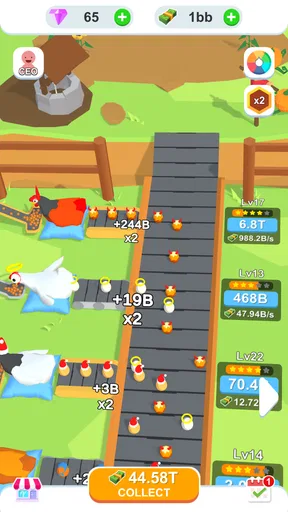
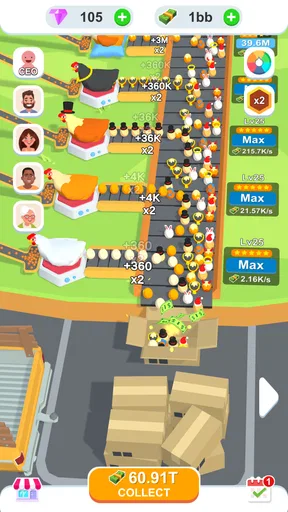
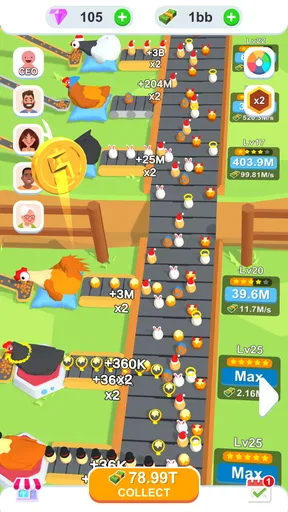
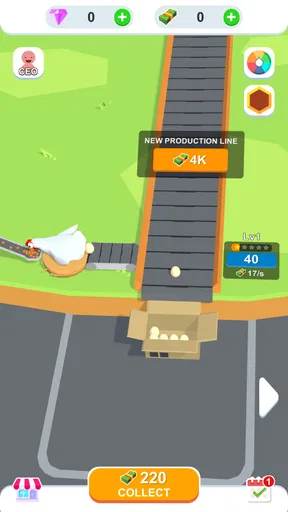
Idle Egg Factory is all about managing your very own egg factory. Sounds simple, right? But trust me, there's more to it than meets the eye. As you start, you’ll be greeted with a handful of chickens and a modest setup. Your goal is to upgrade and expand your factory, producing as many eggs as possible. The game’s charm lies in its simplicity and the satisfying feeling of watching your profits grow.
Gameplay Mechanics
The basic mechanics are straightforward. You tap to collect eggs, sell them, and then use the profits to upgrade your facilities. The upgrades include everything from faster egg production to hiring managers who automate the process for you. The more you upgrade, the less you have to tap. Eventually, it becomes all about strategy and timing your upgrades to maximize efficiency.
What makes the game incredibly engaging is the progression system. Each level feels rewarding, and there’s always something new to unlock. Whether it’s a new chicken breed or a fancy piece of equipment, there’s always a carrot dangled in front of you, enticing you to keep playing.
The Art of Idling
For a game that requires minimal interaction, Idle Egg Factory does a fantastic job of keeping you engaged. The idle aspect is perfect for people who love multitasking. You can leave the game running, and it continues to churn out eggs and profits. Then, when you come back, you’re greeted with a satisfying pile of cash to invest back into your factory.
What’s really neat is how the game balances between being idle and interactive. You have the freedom to walk away, yet there’s always an incentive to check in and make adjustments. This balance is a key reason why it’s so hard to put down.
Small Choices That Shape a Session
One helpful habit is to separate collecting from upgrading in your mind. First take stock of what the factory has earned; then decide which purchase would make the next stretch more productive. Buying several improvements in a rush can feel satisfying, but it can also leave the session without a clear sense of what helped. Making one deliberate change before stepping away makes it easier to notice how your factory develops and whether that kind of upgrade fits your preferred pace.
Automation is especially worth thinking about as a change in how you play, not just another number to raise. Early tapping gives you something immediate to do, while managers shift more of the loop toward checking in and making choices. If you enjoy active interaction, there is no need to rush toward making every visit passive. If you mainly want a background game, prioritizing less hands-on progress may better match that goal. The trade-off is personal: convenience can make the game easier to fit into a day, but too much automation can reduce the activity that made the first sessions engaging.
The Limits of a Gentle Growth Loop
Its light approach also means that the central routine can become familiar. Collecting, reinvesting, and waiting are pleasant when I want low-pressure progress, but they are not a substitute for varied objectives or demanding decisions. I would not install it expecting every return to introduce a completely different kind of play. The appeal is consistency, and the same consistency may be the reason a player eventually moves on.
There is a related planning trade-off: a short visit can be satisfying, but it may not feel meaningful if I open the game without a purpose and simply tap through whatever is available. I get a better rhythm by deciding whether I am checking on accumulated earnings, choosing a specific upgrade, or just enjoying the animation for a moment. That keeps the game from becoming a reflexive habit and helps me judge whether its slow-burn style is still enjoyable.
Visuals and Sound
The graphics in Idle Egg Factory are colorful and whimsical, perfectly fitting the game's light-hearted theme. Each chicken has its own unique design, and watching them bop around is oddly satisfying. The developers have done a great job in creating a visually appealing game that doesn’t overwhelm the senses.
As for the sound, it’s a charming mix of clucks and pops. It might not be a symphony, but it does add to the overall experience. If you’re not a fan of game sounds, you can easily mute it and play your own tunes in the background.
Practical Questions Before You Start
The game is free to download, so it is easy to try without paying upfront. It does offer in-app purchases, with individual items ranging from $0.99 to $99.99, so I would decide in advance whether I want to spend anything and keep that boundary in mind. The core appeal is the gradual factory-building loop; I would not treat spending as a requirement for enjoying the basic idea, nor would I buy an item just because a progress bar makes waiting feel inconvenient.
Solid Games developed the title, which is rated for Everyone. It has an average rating of 4.6 from around 289,000 ratings, with about 6,900 written reviews and over 50 million installs. Those figures suggest it has reached a broad audience, though they cannot tell you whether its particular pace will suit you. It was released on July 5, 2021, and version 3.4.8 supports Android 6.0 and later.
If you are choosing between this and another idle game, ask yourself what you want to do during a session. If the answer is “make a few clear upgrades and enjoy seeing an egg business grow,” this is a sensible fit. If you want detailed resource planning, a strong story, or constant action, I would look elsewhere. It works best as a low-pressure companion, not as a replacement for a more involved simulation when you want depth in every moment.
Why You’ll Get Hooked
If you enjoy games that reward patience and strategy, Idle Egg Factory is right up your alley. It’s the kind of game that’s perfect for short bursts or long sessions. The beauty of it lies in its simplicity, yet there’s a surprising depth in the way you choose to manage your factory.
There’s something inherently satisfying about watching numbers go up, and this game nails that feeling. Whether you’re a seasoned idle game veteran or a newcomer, you’ll find something to love here.
In conclusion, Idle Egg Factory is a delightful addition to the idle gaming genre. It’s easy to pick up, hard to put down, and endlessly satisfying. So, if you’re looking for a new obsession, give this game a try. Just be warned: you might find yourself dreaming of eggs!
Pros
- Simple and intuitive interface.
- Engaging progression system.
- Offline earnings feature.
- Colorful and appealing graphics.
- Regular updates and new content.
Cons
- Can become repetitive over time.
- Requires frequent in-app purchases.
- Ads can be intrusive.
- Limited customization options.
- No multiplayer or social features.
FAQs for Idle Egg Factory
What is Idle Egg Factory, and how does it work?
Idle Egg Factory is a simulation game where players manage an egg-producing factory. The objective is to optimize production by upgrading machinery, hiring workers, and expanding facilities. As the game progresses, players can unlock new features and automate processes, maximizing egg output and profits. It's a classic idle game that allows players to progress even when they're not actively playing.
Is Idle Egg Factory free to play, and are there in-app purchases?
Yes, Idle Egg Factory is free to download and play. However, it includes optional in-app purchases. These purchases can enhance gameplay by speeding up progress, offering exclusive items, or removing ads. While spending money can provide benefits, it's entirely possible to enjoy the game without making any purchases.
Can Idle Egg Factory be played offline?
Idle Egg Factory supports offline play, allowing users to continue managing their factory without an internet connection. However, some features, such as in-app purchases and certain updates, may require an online connection. Playing offline is great for uninterrupted gameplay and progress tracking without relying on connectivity.
What devices are compatible with Idle Egg Factory?
Idle Egg Factory is available on both Android and iOS devices. It requires iOS 10.0 or later for Apple devices and Android 5.0 or later for Android devices. The game is optimized for smartphones and tablets, ensuring a smooth experience across different screen sizes and device capabilities.
How does the prestige system work in Idle Egg Factory?
The prestige system in Idle Egg Factory allows players to reset their progress in exchange for special bonuses. By prestiging, players can earn prestige points or rewards, which can be used to unlock permanent upgrades and boosts. This system adds a strategic layer to the game, encouraging players to decide the best time to reset for optimal long-term benefits.


